What Is Roof Flashing — and Why Should It Matter to Homeowners?
Roofing systems may look straightforward from the outside, but many of their most important defenses are hidden beneath the surface. Understanding how copper roof flashing prevents water damage starts with knowing what flashing actually does.
Copper roof flashing is one of those quiet but essential features—a thin layer of metal installed where the roof changes shape or meets another surface. While homeowners see the finished flashing protecting their roof, contractors source copper coil—the raw material that’s cut, bent, and soldered on-site to create custom flashing for each installation.
Flashing’s job is simple: redirect water away from seams and openings that would otherwise allow moisture inside. These spots are especially prone to leaks during Bay Area rain, fog, and coastal moisture:
- Chimneys
- Skylights
- Roof valleys
- Vents and pipe penetrations
- Dormers and roof-to-wall transitions
- Edges and eaves
Because these areas take the brunt of water exposure, understanding how flashing works — and why copper performs so well — can make a meaningful difference in preventing long-term roof damage.
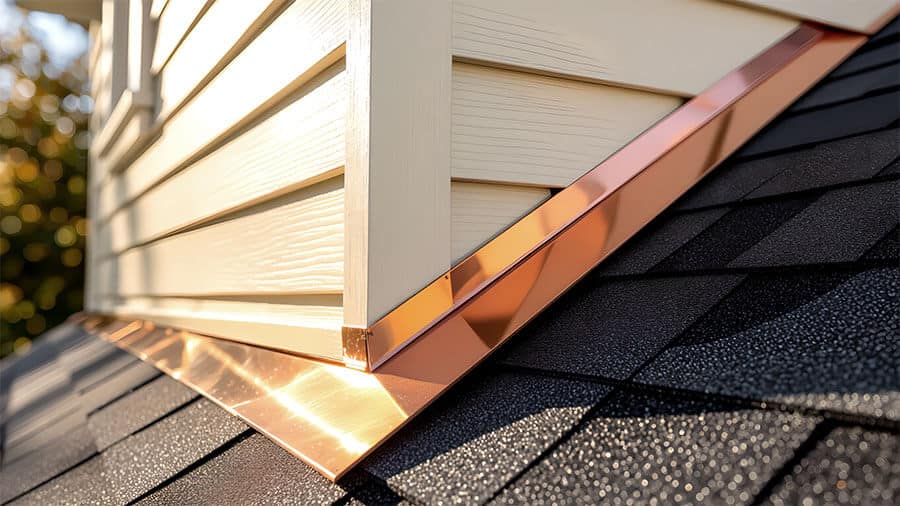
How Flashing Creates a Waterproof Seal
Roofs rely on layered materials to shed water efficiently. However, anywhere two surfaces meet—such as around a chimney or where two roof planes intersect—those smooth layers are interrupted. Flashing bridges the gap, sealing these seams while guiding water onto the roof’s surface and into the gutter system.
Most roof leaks don’t start in the middle of the roof. They start at:
- Joints
- Edges
- Transitions
- Fasteners
- Openings
According to the EPA, moisture intrusion and poor water management are among the leading causes of indoor air quality issues and structural damage in homes, making proper flashing one of the most critical defenses against long-term problems.
Why Copper Is an Ideal Material for Roof Flashing
Not all flashing materials are created equal. Aluminum and galvanized steel are common because they’re inexpensive, but those metals don’t offer the same lifespan or weather resistance as copper. For homes in the Bay Area’s variable climate, copper stands out as one of the most reliable materials available. Learning how copper roof flashing prevents water damage means understanding its unique material properties.
Copper’s key advantages include:
- Exceptional lifespan — often 80–100 years
- Corrosion resistance, even in coastal environments
- Malleability, which allows it to be shaped precisely
- Compatibility with high-end roofing materials
- A natural, protective patina that develops over time
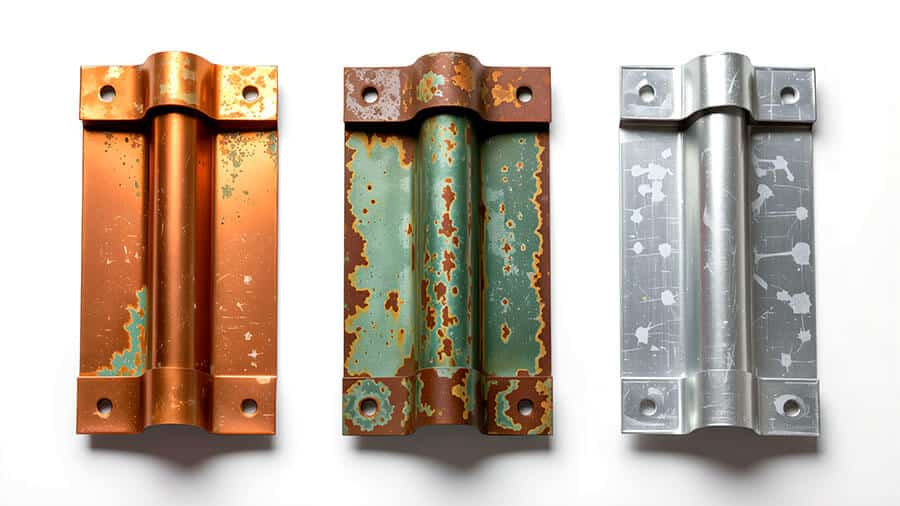
Durability That Outperforms Other Flashing Materials
Compared to other metals:
- Aluminum can corrode in salty air and may tear if bent repeatedly.
- Galvanized steel is strong but eventually loses its protective zinc coating, leading to rust.
- Lead is workable but no longer favored due to health and environmental concerns.
Copper resists corrosion without relying on coatings, and its structural longevity makes it particularly well suited for upscale or historic homes.
A Perfect Fit for Bay Area Weather Conditions
The Bay Area’s microclimates present unique challenges—fog, wind, coastal moisture, and sunny inland valleys. Copper withstands all of these conditions with minimal change to its structural performance.
Over time, it forms a natural patina that enhances corrosion resistance. In coastal neighborhoods like Pacifica or Monterey Bay, this patina may develop quickly. Inland areas like San Jose, Walnut Creek, or Los Gatos will see more gradual darkening. Either way, protection increases as the metal ages.
Where Copper Flashing Matters Most
Some areas of the roof depend more heavily on flashing than others. These are the locations where understanding how copper roof flashing prevents water damage becomes especially clear—copper’s durability makes a particularly meaningful difference.
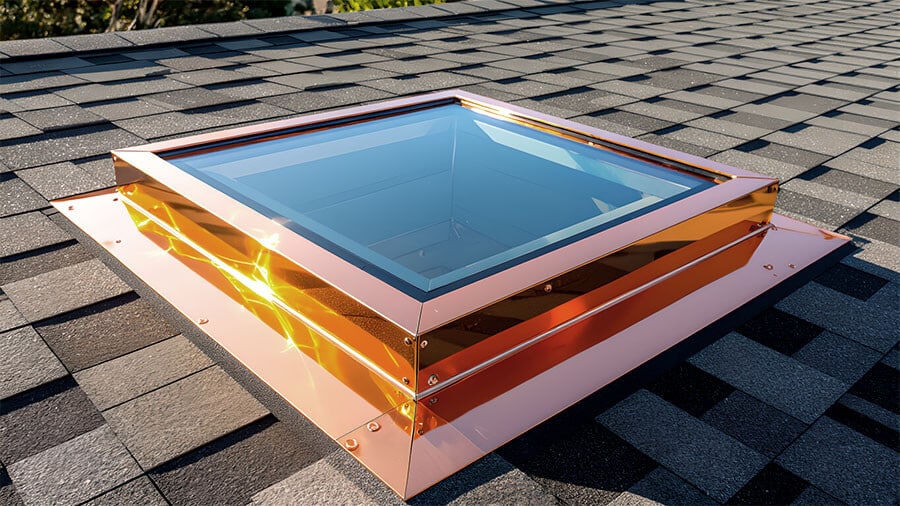
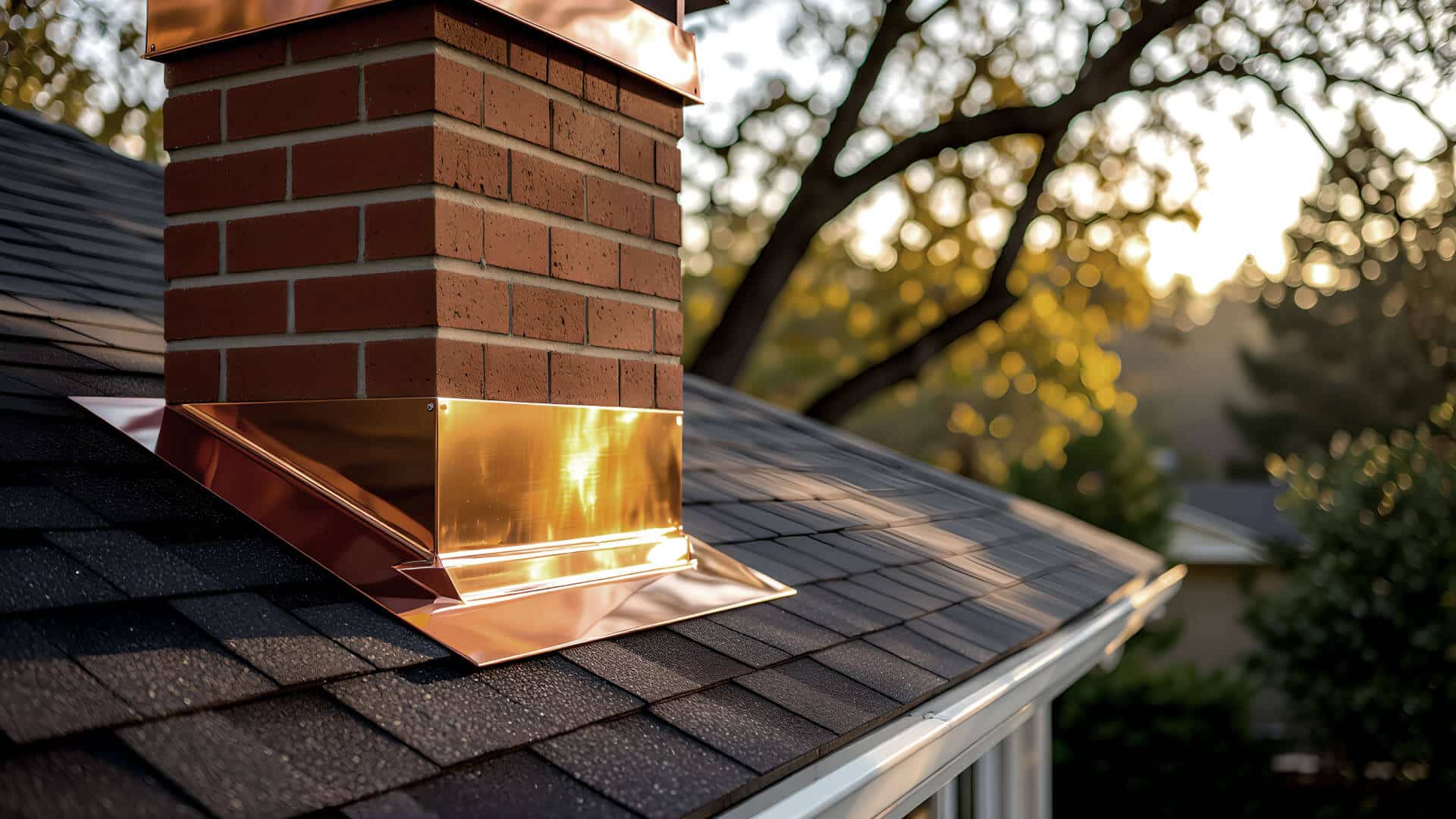
Chimneys and Skylights
These roof penetrations experience:
- High water exposure
- Increased thermal movement
- Complex angles that require strong soldered seams
Copper flashing can be precision-shaped to create a tight, weatherproof seal around these openings.
Roof Valleys and Dormers
Valleys collect and channel more water than the typical roof surface. Flashing in these areas must handle:
- Increased volume
- Consistent runoff
- Occasional debris buildup
Copper’s strength and formability allow it to shape cleanly to valley lines and maintain long-term stability.
Edges, Eaves, and Transitions Between Roof Materials
These areas are vulnerable to wind-driven rain and capillary action. Copper provides sturdy sealing at:
- Eave edges
- Step flashing along vertical walls
- Transitions from shingles to metal roofing
- Deck-to-wall or siding-to-roof junctions
Where other metals may lift or corrode, copper remains stable and secure.
How Copper Flashing Helps Prevent Leaks Over the Long Term
Leak prevention is the primary purpose of any flashing system, and how copper roof flashing protects homes from water damage comes down to its structural and chemical properties.
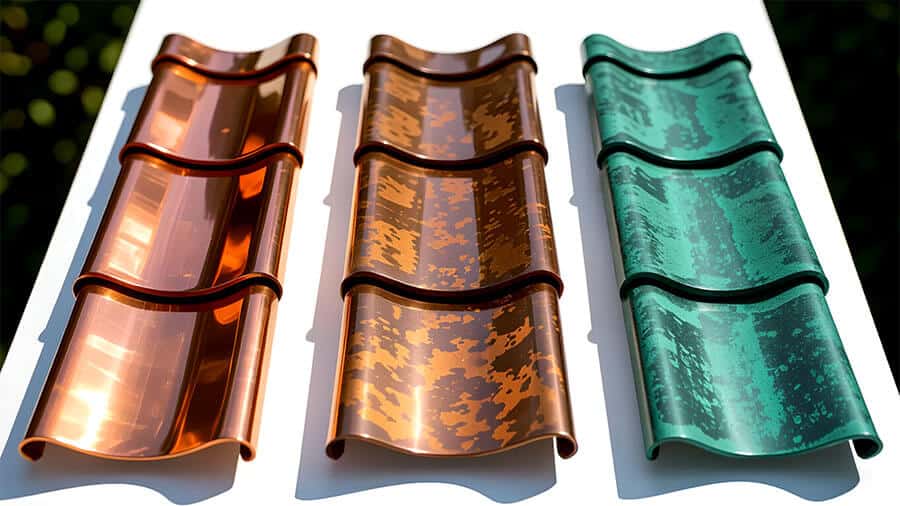
The Self-Protecting Patina Layer
As copper is exposed to the elements, it develops a patina that strengthens the metal’s resistance to corrosion. This natural transformation:
- Enhances durability
- Helps seal surface imperfections
- Protects against environmental pollutants
- Reduces maintenance needs over time
Unlike coatings—which can crack, peel, or need reapplication—the patina is permanent and self-renewing.
Superior Soldered Seams for Complex Rooflines
Copper’s malleability allows installers to create fully soldered seams around challenging roof geometries. A properly soldered copper seam is:
- Stronger than the surrounding metal
- Fully watertight
- Resistant to uplift and separation
This precision makes copper especially suitable for architectural details or older homes with custom rooflines.
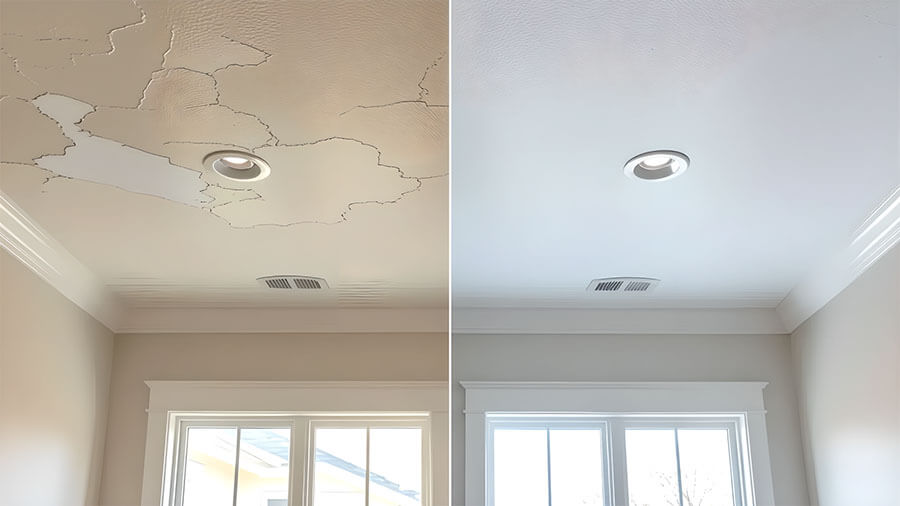
Signs Roof Flashing May Be Failing (And Why Material Matters)
Whether copper, aluminum, or steel, flashing should be inspected periodically. Signs of trouble often appear gradually. Recognizing these warning signs early is essential for understanding how copper roof flashing protects homes from water damage over time.
Common indicators include:
- Stains on ceilings or walls, especially after heavy rain
- Damp insulation in attics or crawlspaces
- Visible gaps or lifting around skylights and chimneys
- Rust or corrosion (particularly in non-copper metals)
- Cracked or missing sealant where flashing meets masonry or siding
Because flashing handles the most vulnerable parts of the roof, early detection of wear can prevent costly repairs later.
Caring for Copper Flashing — Simple Maintenance That Protects the Roof
Copper flashing requires little upkeep, but occasional attention helps ensure optimal performance.
Recommended maintenance includes:
- Clearing debris from valleys and roof edges
- Checking seams annually for movement or separation
- Inspecting surrounding roofing materials to ensure shingles or tiles remain intact
- Cleaning gutters to promote proper runoff and reduce standing water near flashing
Why Copper Requires Less Maintenance Than Other Metals
Copper’s natural adaptability reduces many of the maintenance issues associated with steel or aluminum. Its patina protects the underlying metal, and its stability reduces the risk of warping or loosening over time.
Why Copper Flashing Is a Smart Investment for Bay Area Homes
For homeowners curious about how copper roof flashing prevents water damage, the answer lies in copper’s longevity, resilience, and architectural appeal—all of which make copper the perfect choice for Bay Area homes. Properties in coastal or hillside regions benefit from its weather resistance, while higher-end residences appreciate the aesthetic compatibility with other premium materials.
Long-term advantages include:
- Fewer replacements
- Strong performance in microclimates
- Exceptional architectural value
- Natural resistance to corrosion and weather exposure
Whether part of a new build or a historic restoration, copper flashing supports both durability and design integrity.
Why Bay Area Homeowners Choose Copper Flashing
Roof flashing rarely receives attention, yet it plays one of the most critical roles in protecting a home. Understanding how effectively copper roof flashing protects homes from water damage reveals why copper elevates this overlooked component into one of lasting value—combining function, beauty, and longevity in a way few materials can match.
For homeowners seeking durability and thoughtful design, copper flashing represents a quiet, reliable detail that helps safeguard the entire structure for generations.
Curious about copper flashing for your home or roofing project? Contact Kobett Metals for more information — our team is always glad to help homeowners understand their options.